
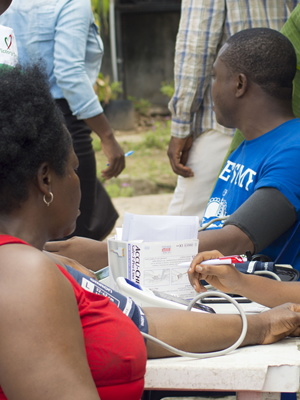
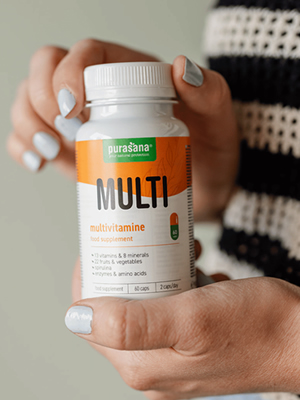

After weeks of “Mummy, I’m hungry!” and “Daddy, can I go out?”, it’s finally that time: back to school!
The long holiday is winding down, and while the hustle of school prep can be serious work for mums and dads, it’s also a season of fresh beginnings and excitement. New books, new uniforms, new teachers, and of course, your children reuniting with friends and making new ones.
As we all gear up for the new academic session with energy, prayers, and plenty of sharpened pencils, let’s not forget one very important thing — our children’s health and well-being.
Here are some simple and friendly health tips to help your children have a happy, healthy, and successful school year:
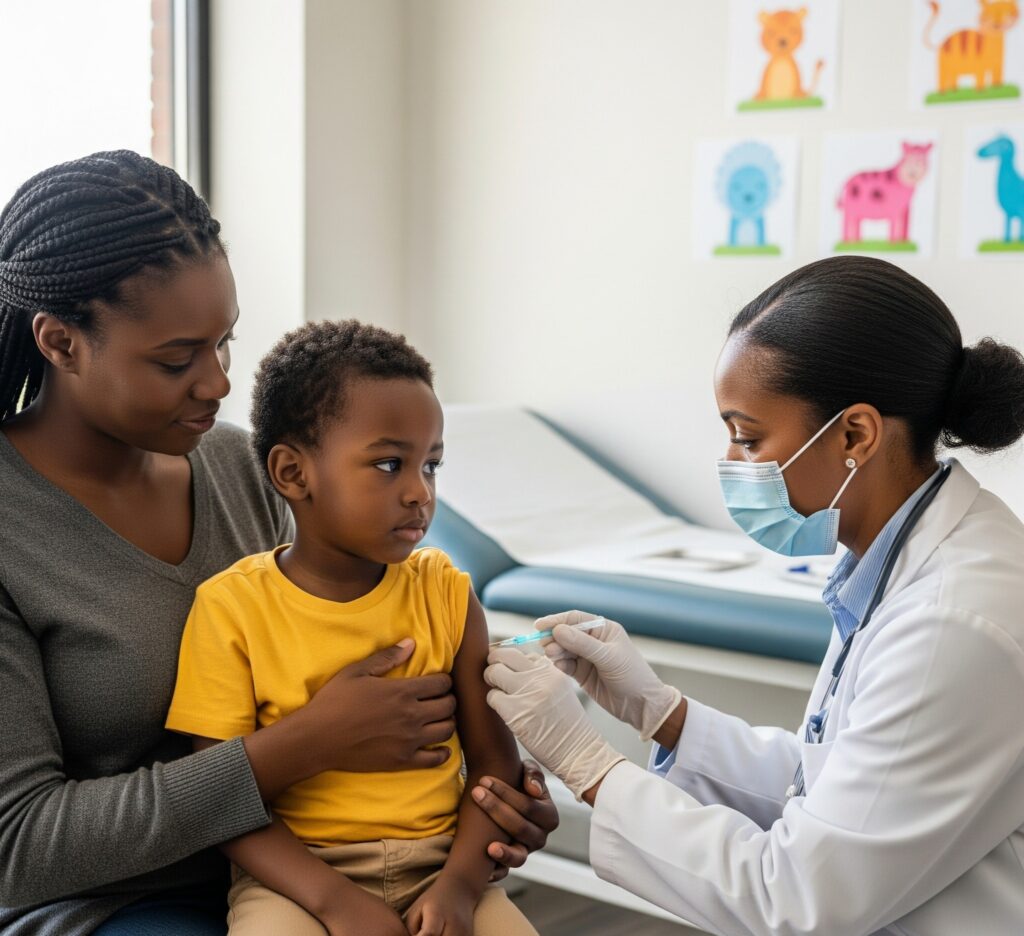
- Stay Up-To-Date On Your Child’s Immunization: Before the school year begins, take time to confirm that your child’s vaccines are up to date. Immunizations protect against illnesses such as flu, chicken pox, typhoid, and other preventable diseases. Keeping vaccinations up to date helps safeguard your child’s health and also protects their classmates and the wider community.
Here are some vaccinations that can be considered for your children before they return to school:
| Vaccines | How It Is To Be Taken | Frequency |
| Chickenpox (Varicella): Prevents Chickenpox which spreads quickly in school. | 2 doses (1st at 12-15 months, 2nd at age 4 through 6 years old. | 13 years and older who have never had chickenpox. |
| Tetanus– Diphtheria– Pertussis (Td/Tdap): Prevents tetanus (from injuries), diphtheria and whooping cough. | Children: DTaP at 2, 4, 6, 15-18 months + booster at 4-6 years. Adolescents: Tdap at 11-12 years or as soon as possible for ages 13-18 (if missed) Adults: Td/Tdap booster every 10 years | Every 10 years after the childhood series. |
| Measles and MMR: Prevents Measles (fever, rash, Mumps (swollen glands, infertility risk), and Rubella (dangerous for pregnancy). | 2 doses: 12-15 months and 4-6 years. Adults without immunity should also take it. | – |
| Hepatitis B: Protects the liver from Hepatitis B infection (chronic liver disease, liver failure, liver cancer). | 3–4 doses: at birth, 1-2 months, 6-18 months. Adults can also take it if not immunized. | _ |
| HPV (Human Papilloma virus): Prevents HPV infections leading to anal, throat cancers, penile cancers, and genital warts; and other HPV-related cancers. | 2 doses: (6-12 months apart) Ages 9-14. 3 doses if started later: (0, 1-2, 6 months) Ages 15-26. | _ |
| Typhoid: Guard against typhoid fever (serious bacterial infection) from contaminated food and water. | Single dose from 9 months of age or booster every 2 years. For children up to 15 years who missed the initial dose, a catch-up single dose can still be administered. | School-age children and older. Injectable (every 3 years) or oral (every 5 years) |
| Influenza (Flu): Reduces the spread of flu (fever, cough, pneumonia severe illness in children, elderly, and immuno-compromised) in crowded school environments. | 1 dose every year (updated every year). |
For your child’s vaccine needs, visit us @ Victory Vaccine Clinic by Victory Drugs vaccinations
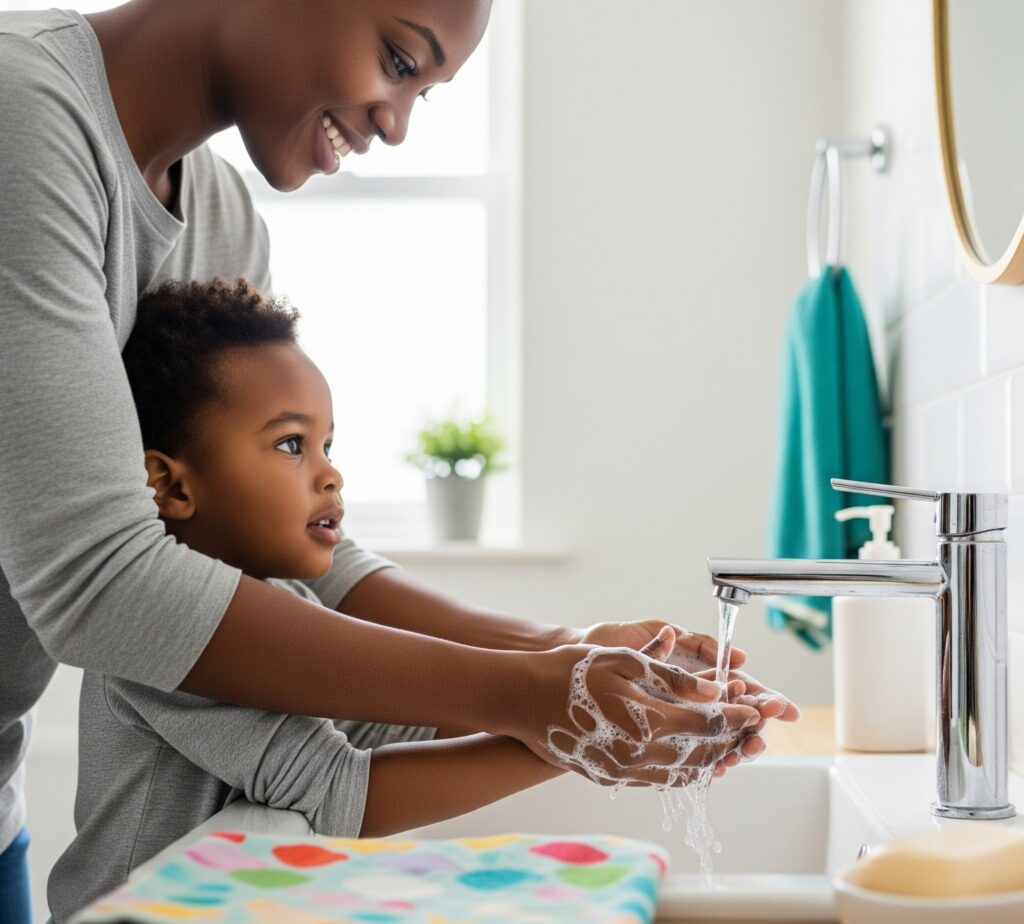
- Protection Against Common Infections: In our environment, illnesses such as malaria and diarrheal diseases are common, especially during the school season when children are exposed to more germs. To reduce the risks, encourage your children to always sleep under insecticide-treated mosquito nets and use protective clothing or repellents when necessary. If they have symptoms suggestive of malaria, a simple test may help determine if it’s malaria or not.
Remind them to wash their hands before eating and after using the toilet, also, teach them to cough and sneeze into their elbows.
You can also add a small hand sanitizer in their bags, if they are old enough, for situations where water is not available. Remind them not to share water bottles and utensils.
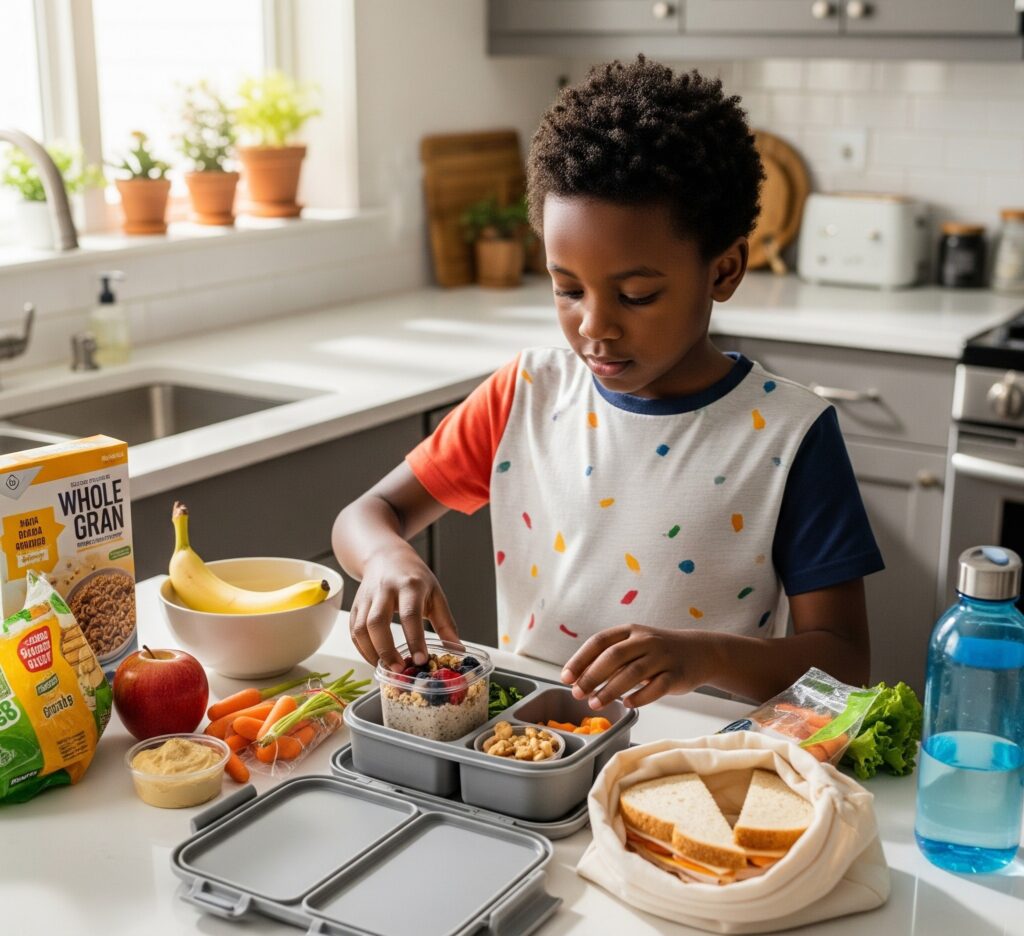
- Pack a Healthy Breakfast and Lunch: Providing your child with breakfast helps them stay focused in class.
| Classes of Food | ||
| 1 | Healthy Carbohydrates | Whole grains (bread, rice, pasta) Oatmeal |
| 2 | Proteins | Eggs (preferably boiled) Peanut butter Meats (fish, chicken, beef, etc.) Beans Greek Yogurt |
| 3 | Fruits | Bananas, oranges, watermelon, pawpaw, avocados, apples, or any other fresh or dried fruits. |
| 4 | Vegetables | Carrots, cucumbers, green peppers, leafy greens, and any other varieties |
| 5 | Drinks | Water is the best option. A glass of milk. Avoid sugary drinks. |
Here’s an example:
For Breakfast: Boiled eggs + oats + banana slices + water
For Lunch: Rice + chicken + vegetable soup + apple slices + water

- Make Health Check-Ups a Routine: A healthy child learns better. Before or during the school year, take time to schedule important check-ups. Regular vision tests, which can be done every 1-2 years, help detect poor eyesight that may make reading and learning more difficult. Hearing check-ups ensure your child can follow lessons clearly without distractions. Dental visits prevent toothaches and cavities that can cause pain and affect concentration. Alongside these visits, encourage daily brushing, good hygiene, and a diet rich in vitamins to keep your child sharp, confident, and ready to learn.

- Support Your Child’s Mental and Emotional Health: Returning to school can be exciting but also stressful. Be your child’s friend by being involved in their lives, asking your child about their day, and then listen. Watch for signs of stress, such as stomachaches, trouble sleeping, or mood changes. Let them know it’s always okay to talk about their feelings. Never ignore their feelings. Never use bad words around your children; always encourage and pray for them, speaking positive words to them.

- Prioritize Sleep and Limit Your Child’s Screen Time: Children need enough rest to stay focused, active, and emotionally balanced. School-aged children should get about 9–12 hours of sleep each night. To make this possible, limit screen time, especially in the evenings, since phones, TVs, and tablets can delay sleep and reduce sleep quality. Instead, encourage reading, storytelling, or calm activities before bedtime. A well-rested child will wake up energized, ready to learn, and less cranky.
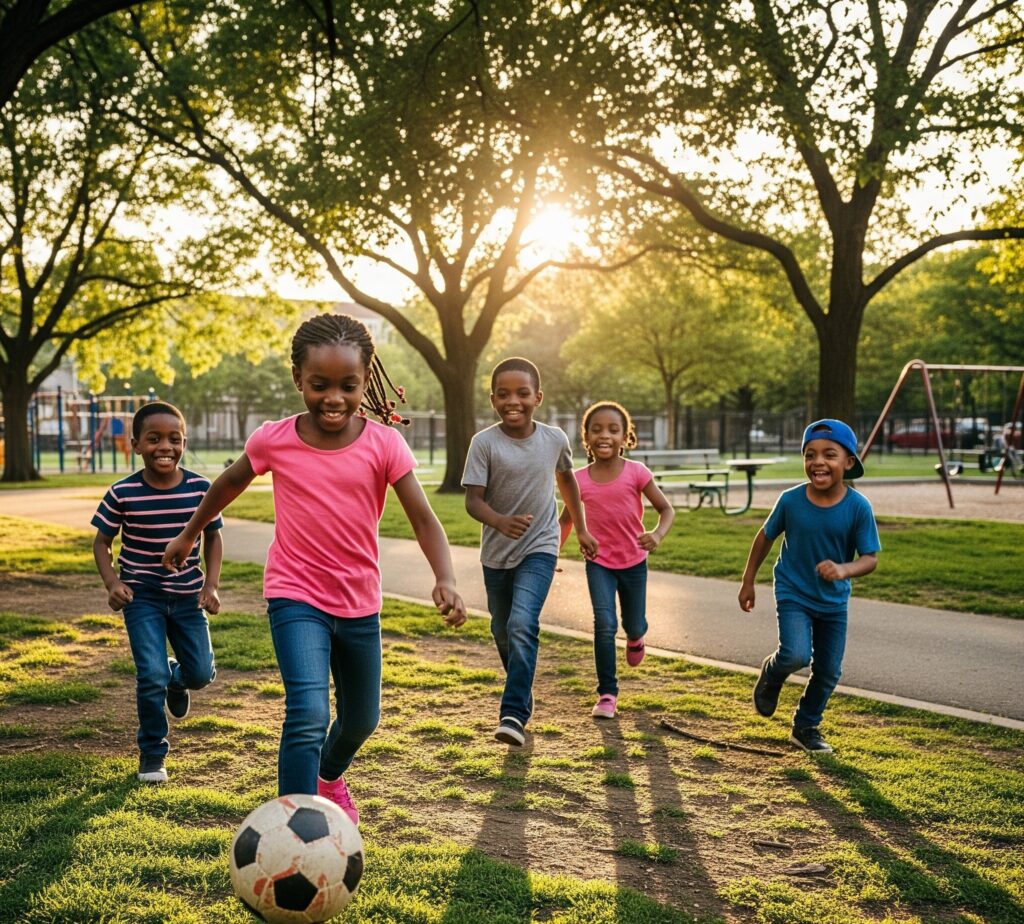
- Practice Physical Activity with Your Children: Being involved in physical activity with your child boosts mood, improves focus, and balances out the screen time that often creeps in during the school year. Aim for at least 1 hour of physical activity like jumping, dancing, or outdoor play.
In conclusion, back-to-school season is exciting, but it can also be busy. With a few simple habits, you can help your child stay healthy, happy, and ready to learn all year long.
Feel free to comment, like, and share.
Got questions? Call or chat us up:
0701 741 2207
0907 932 1484
Or chat with us by touching the red circular icon at the bottom right corner of your screen.
Disclaimer: Kindly note that, as much as we ensure we provide sound information or advice, the information or advice given here is not intended to replace your doctor’s advice.