
6 Simple Habits That Can Help Protect Your Breast Health

“Have you ever known someone affected by breast cancer?”
Maybe it was a mother, sister, aunt, or friend. Each story is different, but one thing is always the same: early detection can make all the difference.
It’s that special time of year again; Breast Cancer Awareness Month, when pink ribbons bloom across our communities, reminding us to pause, learn, support, and take action.
This year’s theme, “Every Story is Unique and Every Journey Matters,” is a powerful reminder that behind every diagnosis is a real person with hopes, fears, strength, and a voice that deserves to be heard.
Breast cancer remains one of the most common cancers among women worldwide and is the second leading cause of cancer-related death in women. But did you know men can get breast cancer, too? Learn more here. It’s rare, but it happens, and knowing that could save a life. Find out more here.
Your daily habits matter more than you think.
Here are 6 realistic ways to boost your breast health and lower your risk starting now:

- Know Your Normal: Get familiar with how your breasts normally look and feel through regular self-exams. This awareness helps you quickly spot unusual changes, like a lump, swelling, or dimpling. If you notice anything different, talk to your doctor right away. Early detection makes a difference!

- Get Regular Screenings: Prevention is always better than a cure, and when it comes to breast health, early detection can make all the difference.
Early detection gives the best chance at successful treatment, and that’s why regular screening is so important. We offer Breast-i screening (a less invasive, more affordable option that you can do more regularly). The service also includes Free breast self-exam counseling learn more.
While Breast-i does not replace a mammogram, it is a great first step in staying on top of your breast health. We recommend you come for a screening twice a year, or any time you notice a change or lump in your breast.
Remember to ask your doctor when to start mammogram screenings based on your age, family history, or personal risk factors.
Early detection saves lives. Take charge of your health today.

- Learn Your Family History: If breast cancer runs in your family (even in a male relative), let your doctor know. They can recommend the right screening schedule and other ways to lower your risk.

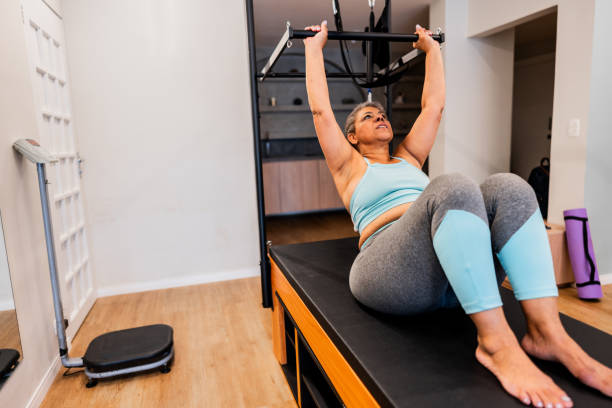
- Eat Healthy and Stay Physically Active: Eating a balanced diet and staying physically active supports your overall wellness and can reduce cancer risk. Aim for more fruits, vegetables, and whole grains, and try to keep a healthy body weight. Explore supplements that support women’s wellness and vitality here: Women’s Health, Weight Management, Beauty & Skin Health
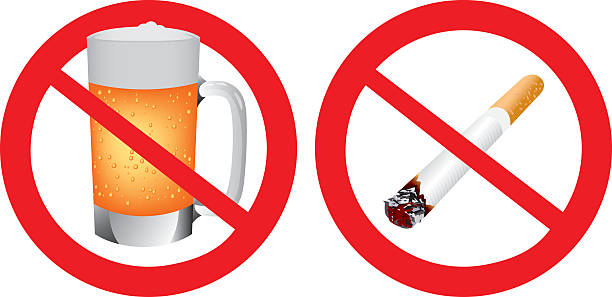
- Limit Alcohol and Avoid Smoking: Making healthier lifestyle choices, like cutting down on alcohol and quitting smoking, can significantly lower your risk for breast cancer. Need guidance? Our lifestyle counseling service can help you make healthy changes.

- Care for Your Mind Too: Don’t forget to take care of yourself mentally and emotionally! Practice relaxation, get enough sleep, and know that maintaining a positive mindset supports healing and recovery.
If you have a family history of breast cancer, even in male relatives, be sure to mention this to your doctor or health provider.
This October, let’s go beyond wearing pink; let’s talk about it, learn more, and encourage one another to take action.
Do not also forget to stay-up-to-date with vaccines like HPV. Click here for your vaccine needs
Remember: Every story matters. Every life counts. Every act of awareness brings us closer to saving more lives.
Feel free to comment, like, and share.
Got questions? Call or chat us up:
0701 741 2207
0907 932 1484
Or chat with us by touching the red circular icon at the bottom right corner of your screen.
Disclaimer: Kindly note that, as much as we ensure we provide sound information or advice, the information or advice given here is not intended to replace your doctor’s advice.
Thanks for the lecture. It’s very educative. More of this.
Thank you so much for your kind feedback! We’re glad you found the lecture educative. We truly appreciate your encouragement, more insightful posts like this are definitely on the way!