You’ve probably seen the letters “AMR” floating around on health posters or in the news and thought, “What’s that got to do with me?”
The answer? Everything.
Let’s break it down plain and simple, and show you how three everyday actions can help protect your health and the future of medicine.
What Exactly Is AMR?
Ever heard someone say, “That antibiotic didn’t work, it must be fake?” Sometimes, the problem isn’t the medicine. It’s something bigger: Antimicrobial Resistance (AMR).
AMR occurs when germs, such as bacteria, viruses, fungi, or protozoa, evolve and become resistant to the medicines intended to kill them. According to the World Health Organization (WHO), this makes once-simple infections harder and sometimes impossible to treat.
Why Should You Care?
Because AMR can affect anyone, anywhere. It leads to:
- Infections that are harder and more expensive to treat
- Longer hospital stays and slower recovery
- Higher risk of complications or death
- A growing threat to our existence
But here’s the good news: you don’t need a medical degree to make a difference.
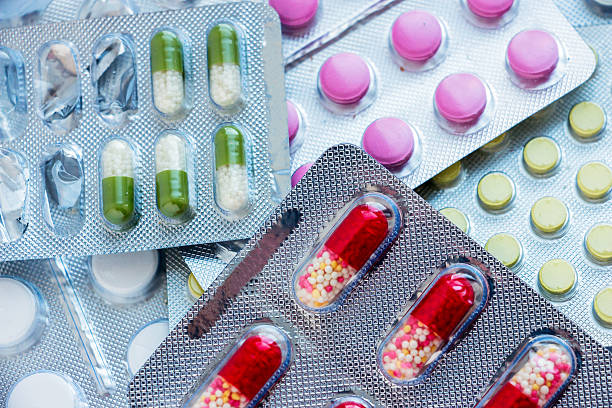
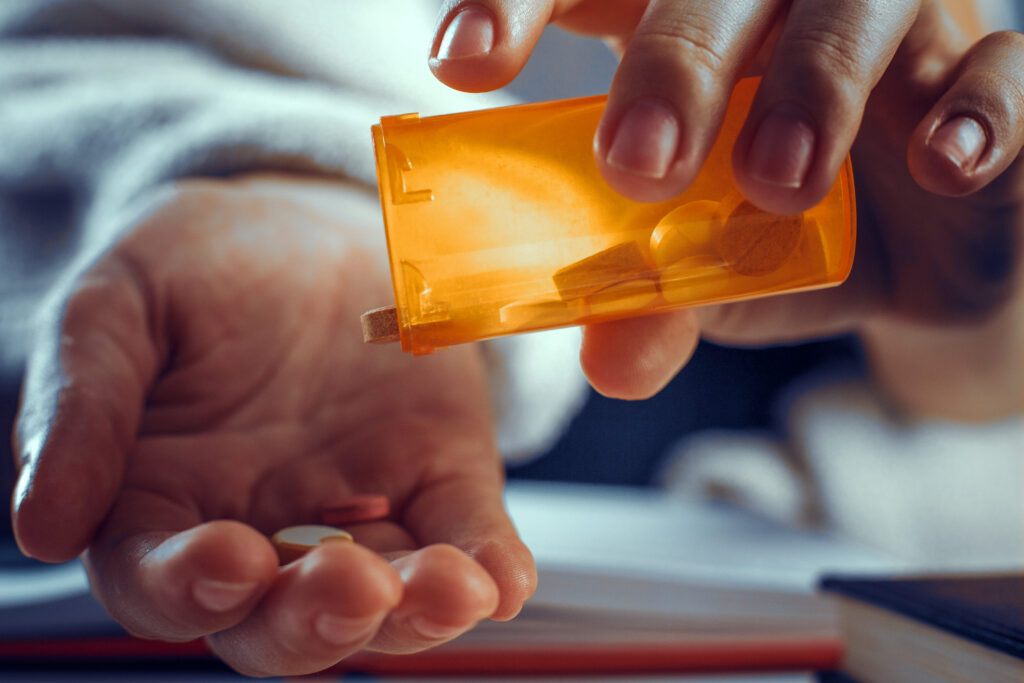
1. Use Antibiotics the Right Way: Antibiotics are life-saving, but only when used properly.
- Take them only when prescribed by a qualified healthcare provider. They don’t work for colds, flu, or other viral infections.
- Don’t self-medicate. Your pharmacist is your go-to source for safe and reliable advice. Learn more
- Never share or reuse leftover antibiotics. What worked for someone else might not work for you, and could make things worse.
Using antibiotics responsibly helps keep them effective for when you really need them.


2. Stop Infections Before They Start: Prevention is powerful and surprisingly simple.
- Wash your hands often or use hand sanitizer.
- Cough or sneeze into your elbow or a tissue. Wear a mask when needed.
- Keep your surroundings clean to reduce the spread of germs and infections.
- Cook food thoroughly and store it properly to prevent foodborne illnesses.
Fewer infections mean a reduced need for antibiotics, which in turn leads to less antibiotic resistance.
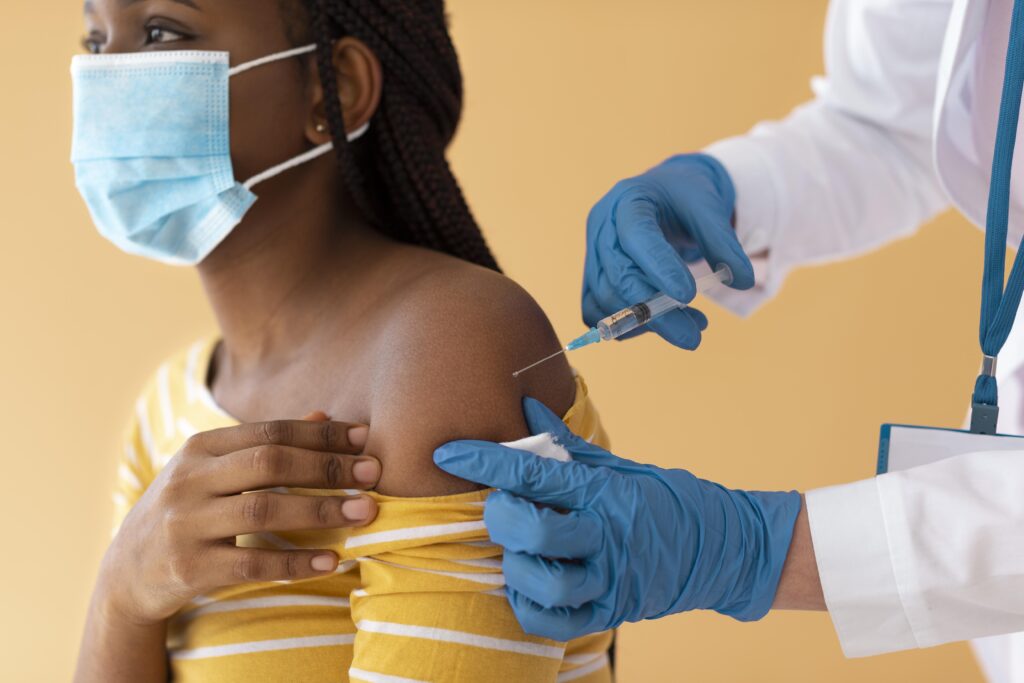

3. Strengthen Your Health Shield: A healthy body is your best defence.
- Stay up to date with your vaccines; they prevent infections that might otherwise need antibiotics. Learn more
- Finish your prescribed medications, even if you feel better halfway through.
- Talk to your healthcare professional before using antibiotics. Don’t guess, get guidance.
Your future self will thank you.
Small Actions, Big Impact
AMR is a global challenge, but it starts with local action—your action.
By using antibiotics wisely, preventing infections, and protecting your health, you’re helping preserve the power of medicine for generations to come.
Let’s act now, together, to keep our medicines working when we need them most.
#ActNow: Protect Our Present, Secure Our Future
Feel free to comment, like, and share.
Got questions? Call or chat us up:
0701 741 2207
0907 932 1484
Or chat with us by touching the red circular icon at the bottom right corner of your screen.
Disclaimer: Kindly note that, as much as we ensure we provide sound information or advice, the information or advice given here is not intended to replace your doctor’s advice.