
Beyond Malaria: Mama Abu’s Story and the Truth About Hepatitis B

Mama Abu had always been the heart of her home. A devoted trader, she left the house every morning before 7 a.m., determined to give her children the education she never had the chance to complete. Losing both parents early meant she had to stop at her school leaving certificate, but she was determined that her children’s stories would be different. Her strength was her pride.
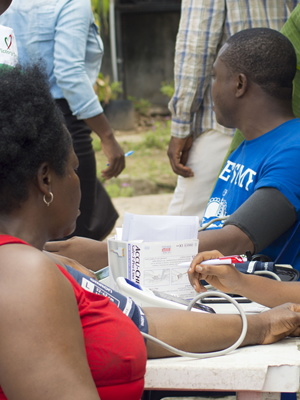
When she began feeling unusually tired, she dismissed it. She kept going through aching muscles, stomach discomfort, and mild fevers, blaming the symptoms on malaria or typhoid, as many people do. Even when her urine became dark yellow, she told herself it was “just malaria.”
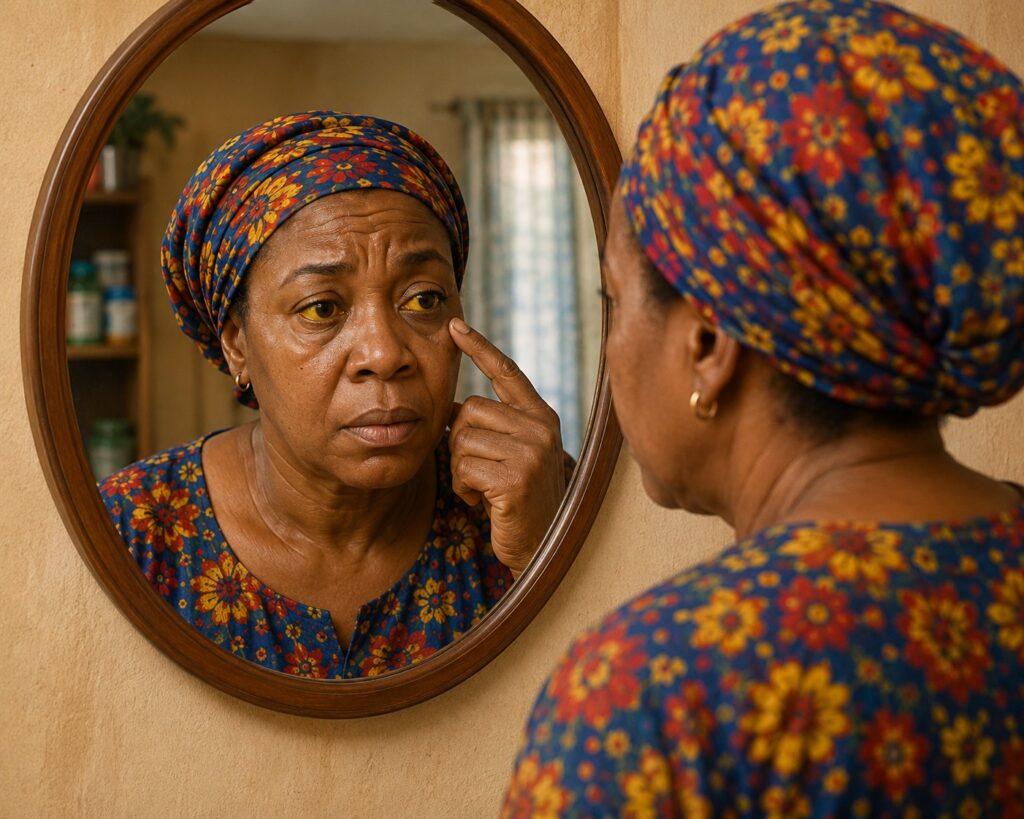
But one morning, she looked in the mirror and saw her eyes had turned yellow.
That moment frightened her, not because she feared judgment, but because she knew her body was trying to tell her something important. She had spent weeks pushing through discomfort, but this was different. This was her wake‑up call.
With courage, she went to the hospital.
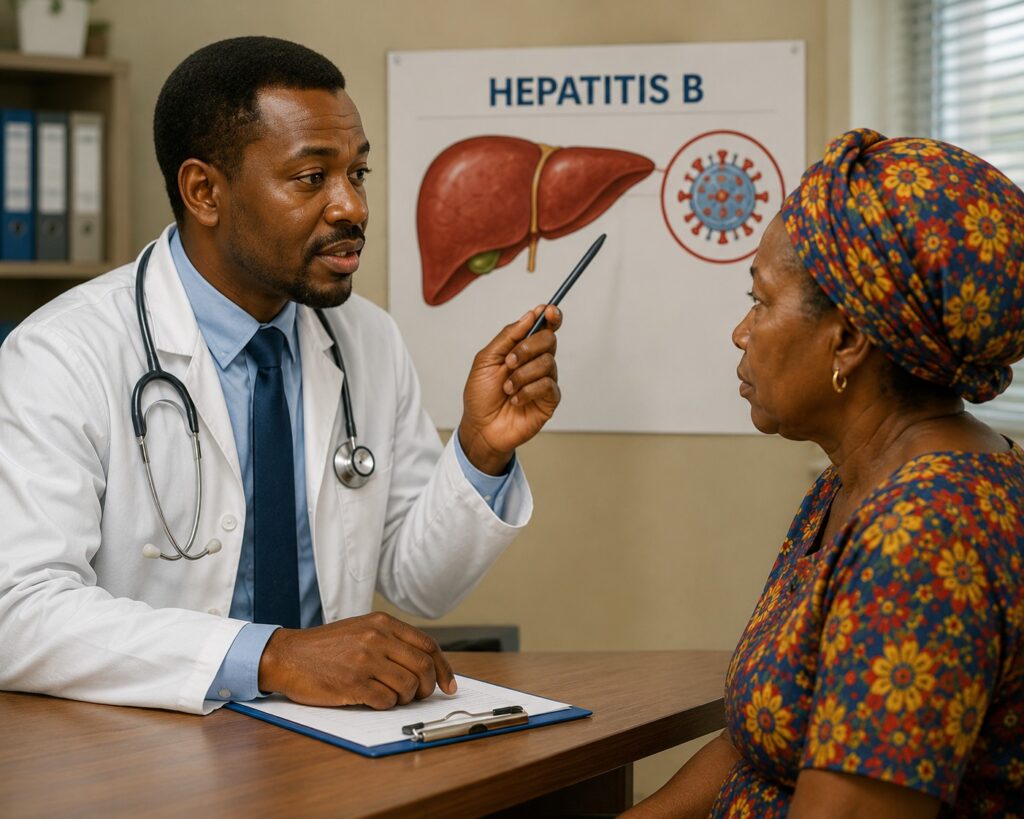
After proper tests, the doctor explained gently that she had a long‑standing hepatitis B infection that had quietly affected her liver over time. It wasn’t a punishment, and it wasn’t a failure. It was a medical condition, one that many people live with, often without knowing.
Her husband tested negative and was vaccinated immediately. Her children tested positive, but thankfully their livers were still healthy. They were placed on treatment to protect them for the future.
Mama Abu’s story reminds us of something important on World Hepatitis Day 2026:
- Yellow urine is not a reliable sign of malaria. Many things can cause it: dehydration, diet, and medications. But when the eyes turn yellow, it is a sign that the liver needs attention.
- Hepatitis B is not a moral failing. It is a medical condition, and stigma only delays care.
- Testing is an act of strength, not shame.
- Vaccination protects families.
- Early treatment prevents liver damage.
Mama Abu chose care over fear, clarity over assumptions, and compassion over stigma. Her courage protected her family and gave them a chance to live healthier lives.
This World Hepatitis Day, let her story encourage you to protect and listen to your body, seek care early, and support others with kindness.
Now let’s delve into what hepatitis really means as a continuation of Mama Abu’s story;
Think of your liver as your body’s ultimate 24/7 processing plant.
Every single day, it:
- Filters toxins out of your blood
- Helps digest the food you eat
- Stores essential nutrients and vitamins
- Supports your immune system
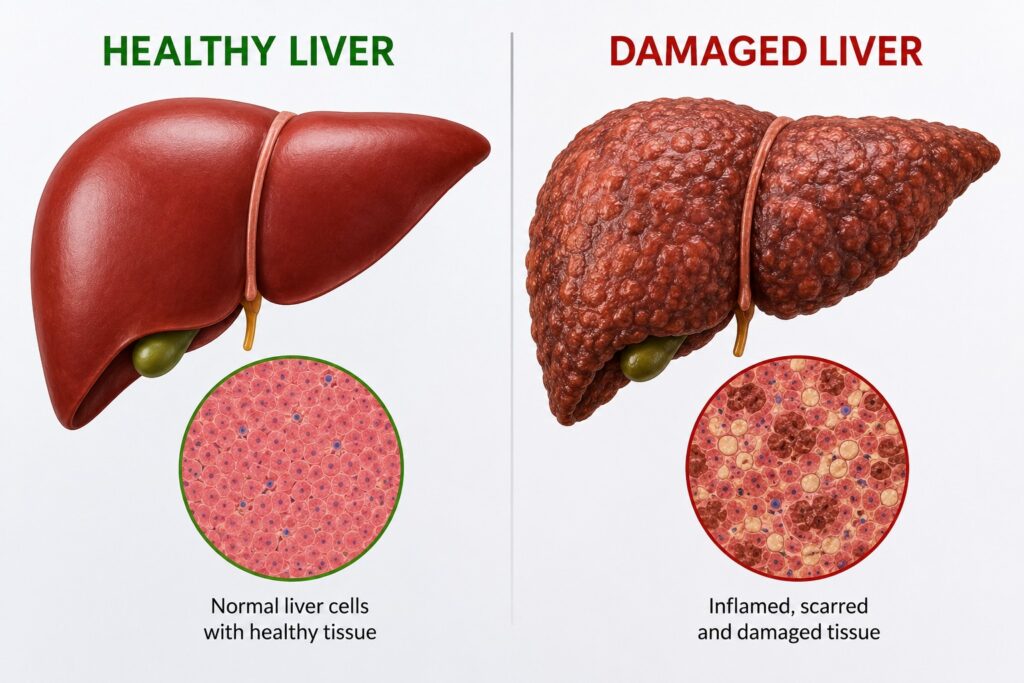
“Hepatitis” simply means inflammation of the liver. When inflamed, this hardworking organ struggles to do its job properly. While it can be caused by excessive alcohol, certain medications, or autoimmune conditions, viral infections are the most common cause worldwide.
Meet The Viral Hepatitis Family:
Not all hepatitis viruses behave the same way. Here is how the five main types break down:
| Type | How It Spreads | Good to Know |
| Hepatitis A | Contaminated food/water or poor hygiene | Usually short-term; most people recover fully. |
| Hepatitis B | Blood & body fluids (childbirth, unprotected sex, unsterile needles/razors) | Preventable with a highly effective vaccine! |
| Hepatitis C | Mainly through infected blood | Quiet for years, but can now be completely cured with medication. |
| Hepatitis D | Only infects people who already have Hepatitis B | Preventing Hep B automatically protects you from Hep D! |
| Hepatitis E | Contaminated drinking water / poor sanitation | Most common in areas with limited clean water access. |
Could You Have Hepatitis Without Knowing?
Yes. Hepatitis is often called a “silent” condition because many people feel completely fine during the early stages while the virus quietly operates in the background.
When symptoms do show up, they can look like this:
- Yellowing of the skin or eyes (jaundice)
- Dark brown urine & clay-colored stools
- Unexplained, persistent fatigue
- Loss of appetite, nausea, or vomiting
- Stomach discomfort or joint pain
[ Silent Infection ] ──▶ [ Unnoticed Years ] ──▶ [ Unexpected Damage ]
│
( Simple Test )
│
[ Early Detection ──▶ Effective Care ──▶ Healthy Life ]
Here Are 4 Steps to Protecting Your Liver:
Taking care of your liver doesn’t require a complete life overhaul, just smart, intentional habits.

- Get Tested: Don’t wait for symptoms to appear. A quick blood test can detect Hepatitis B or C early, allowing you to start treatment before any serious damage (like cirrhosis or liver failure) occurs.

2. Get Vaccinated: The Hepatitis B vaccine is safe, powerful, and offers long-lasting protection. It is recommended for infants, adolescents, and adults of all ages, especially those at higher risk. learn more
3. Practice Safe Habits:
- Never share personal care items like razors, toothbrushes, or needles.
- Ensure tattoo and piercing parlors use freshly sterilized equipment.
- Practice safe sex.
- Wash hands thoroughly after using the restroom, changing a diaper, and before preparing meals.

4. Love Your Liver Every Day:
- Stay physically active to prevent fatty liver disease.
- Eat a colorful diet rich in fruits and vegetables.
- Keep alcohol consumption low or eliminate it.
- Take medications only as prescribed by a health professional.
Mama Abu’s story proves that knowledge replaces fear with strength. This World Hepatitis Day 2026, don’t leave your health to guesswork.
Get tested. Get vaccinated. Protect your family.
#WorldHepatitisDay2026 #BeyondMalaria #ProtectYourLiver#Let’sBreakItDown
Let us know what you think.
Feel free to comment, like, and share.
Got a question? Call or chat with us:
0701 741 2207
0907 932 1484
Or chat with us by tapping the red circular icon in the bottom-right corner of your screen.
Disclaimer: Kindly note that, as much as we ensure we provide sound information or advice, the information or advice given here is not intended to replace your doctor’s advice.